Should You Upgrade from Fujifilm X Half to Canon Eos R100?
Deciding whether to move from one camera system to another is rarely a purely technical choice. It touches on ergonomics, lens investments, image style, and how a photographer uses gear day-to-day. This article examines whether upgrading from a Fujifilm X-series body (referred to here as the Fujifilm X Half) to the Canon EOS R100 makes sense for different kinds of shooters. It compares strengths and trade-offs, highlights real-world use cases, and provides a practical buying guide so readers can make an informed decision that fits their shooting habits and priorities.
Why photographers consider switching systems
People change camera systems for many reasons: improved autofocus, lighter bodies for travel, a different color science, better video features, access to a different lens catalog, or simply better value for new features. Upgrading from an established Fujifilm X shooter to a Canon EOS R100 is usually motivated by a desire for a simpler, more compact mirrorless experience, or to take advantage of Canon's autofocus ecosystem. Conversely, staying with Fujifilm often makes sense for shooters who prioritize tactile controls, film-like JPEGs, and a mature set of native primes.
Product analysis
Canon EOS R100 — what it offers
The Canon EOS R100 sits in Canon's entry-level R-series lineup. It targets hobbyists and new mirrorless adopters who want a compact package and straightforward operation. In practice, the R100 is often praised for its friendly ergonomics, accessible menu system, and autofocus that benefits from Canon's long development of Dual Pixel AF technology. Canon’s RF and RF-S lens ecosystem is growing quickly, and the company emphasizes interoperability with adapters for older EF lenses as well.
Real-world users typically notice the R100’s light weight and simplified controls first. For travel photographers and vloggers who prioritize portability and a low learning curve, the R100 is attractive. Its autofocus tends to lock quickly on faces and subjects in well-lit conditions, which helps casual shooters get reliable keepers. Video features are generally sufficient for basic vlogging and family footage, though serious hybrid shooters may find limitations compared with higher-tier R-series bodies.

Fujifilm X Half — what it stands for
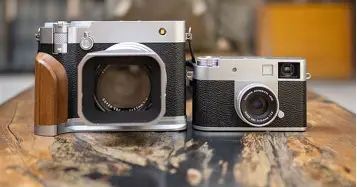
“Fujifilm X Half” represents the Fujifilm X-series approach to APS-C mirrorless cameras: a balance between image quality, tactile control, and a curated lens ecosystem. Fujifilm's strengths include a long list of high-quality native lenses, distinct color rendering and film simulations, and bodies that appeal to photographers who prefer physical dials and manual input. Many Fujifilm X-series bodies—especially the H and T lines—are built for photographers who want to control exposure and color without relying solely on menus.
In real-world shooting, Fujifilm bodies often deliver pleasing JPEGs straight out of camera and encourage a hands-on shooting style. Portrait and street photographers frequently cite the X-series' color science and lens character as reasons to stay. If a photographer already owns several X-mount lenses or values a certain shooting ergonomics, the Fujifilm system can feel cohesive and efficient.
Pros & Cons
Canon EOS R100 — pros & cons
- Pros: Compact, lightweight body that is easy to carry for travel and everyday use.
- Pros: User-friendly interface and menus suitable for beginners and those moving from compact cameras or smartphones.
- Pros: Very capable autofocus for everyday photography and casual video, particularly with face/eye detection.
- Pros: Access to Canon’s expanding RF/RF-S lens lineup and adapters for broad lens compatibility.
- Cons: May lack advanced features that enthusiasts expect (fewer physical controls, limited customization compared to mid/high-tier bodies).
- Cons: Video and build-feature trade-offs compared to more expensive hybrid cameras.
- Cons: If a photographer already owns X-mount glass, switching requires additional investment in lenses or adapters.
Fujifilm X Half — pros & cons
- Pros: Strong color rendering and film simulations that many photographers prefer straight out of camera.
- Pros: Well-established lens ecosystem with many compact primes and characterful optics.
- Pros: Tactile controls and physical dials that speed up operation for photographers who prefer manual adjustments.
- Cons: Some Fujifilm X bodies are larger or heavier than entry-level alternatives, depending on the model.
- Cons: If the specific X-series body lacks modern AF features present in newer Canon models, that can be a drawback for action or fast-paced shooters.
- Cons: For users prioritizing a very small travel kit, the X-system’s higher-end lenses can be pricier than comparable third-party options.
Side-by-side comparison
| Category | Canon EOS R100 | Fujifilm X Half |
|---|---|---|
| Target user | Beginner to hobbyist; travel and casual hybrid shooters | Enthusiasts and photographers who prefer tactile controls and film-like color |
| Image character | Neutral, adaptable to post-processing; good JPGs with Canon color | Distinctive film simulations; pleasing JPEGs with a signature palette |
| Stabilization | Depends on lenses (focus on compactness) | Many X-series bodies and lenses offer in-body or lens stabilization options |
| Lens ecosystem | Growing RF/RF-S lineup; adapter support broadens choices | Mature X-mount lineup with many small, high-quality primes |
| Handling | Simplified controls, ergonomic for small hands | Tactile dials and a more traditional photographer-focused layout |
| Autofocus | Reliable face/eye detection, good for portraits and casual action | Strong in many models, but varies by generation and model |
| Video | Good for vlogging and occasional video; limited advanced features | Very capable on many X bodies; film simulations useful for quick grading |
| Size & weight | Very compact and lightweight | Varies by model—some are compact, others more substantial |
| Price/value | Strong entry-level value for new users | Good long-term value if invested in lenses and system workflow |
Buying guide — what to consider before making the change
1. Evaluate the lens investment
The most important question is not which body is "better" on paper, but what lenses one already owns and how important lens selection is to future work. Lenses represent a long-term investment. If a photographer owns several X-mount primes and zooms that suit their style (portraits, street, landscape), staying within Fujifilm can be the more economical and practical choice. Switching to Canon means either buying RF/RF-S glass or relying on adapters, which introduces compromises and extra bulk.
2. Identify primary use cases
Buyers should list the situations they shoot most often. For travel and family photography that emphasizes portability and autofocus simplicity, a small body like the EOS R100 can be liberating. For portrait work that leans on color and lens character, Fujifilm’s ecosystem and film simulations can save time in post. Event and sports photographers should prioritize autofocus speed and continuous shooting capability; whether the R100 or an X-series model meets those needs depends on the specific Fujifilm model being compared.
Shop the latest Cameras & Photography picks on Amazon.
Browse Now →3. Prioritize features that affect day-to-day shooting
Things that matter most in real life include battery life, menu layout, button placement, EVF quality, and how a camera feels during a long shoot. A lighter camera is only better if its ergonomics still allow steady shooting. Test both systems in-hand if possible and simulate a typical session—shoot portraits, try continuous AF, and record a short video to compare workflows.
4. Consider the hybrid needs (photo + video)
If video quality and advanced recording options are important, check whether either system offers the codecs, stabilization, and frame rates needed. Beyond raw specs, consider how easily each camera integrates into a continuing video workflow (external microphones, gimbals, ND filters, and color grading needs).
5. Factor in resale value and upgrade path
Research resale values and the availability of higher-tier bodies that serve as natural upgrades within each system. Staying in the same ecosystem often preserves resale value for lenses and makes incremental upgrades easier.
6. Budget for accessories
Switching systems incurs accessory costs: lenses, mounts/adapters, possibly different batteries, and flash compatibility. Add these to any upgrade calculation rather than comparing bodies in isolation.
Real-world use cases — which camera fits which shooter?
Travel photographers and casual vacation shooters
For photographers prioritizing a small, lightweight kit that is simple to use, the Canon EOS R100 often excels. Its compact size reduces shoulder strain on long days of sightseeing. Autofocus reliability for faces and everyday subjects helps ensure a higher keeper rate when moments happen fast.
Street and documentary photographers
Many street shooters value discretion, fast manual-like controls, and pleasing JPEGs. Fujifilm’s X-series often meets these needs with small primes and quiet shutter performance. The tactile approach and film simulations can also speed up deliverables that are intended to have a specific look straight from the camera.
Portrait and wedding photographers
These photographers should consider lens choices and autofocus confidence. The R100 can be attractive for smaller portrait sessions and casual wedding coverage when paired with a fast RF-S or RF prime. However, photographers who rely on certain Fujifilm lenses and the brand’s color palette might prefer to stick with the X-system for consistency across client galleries.
Looking for the best Cameras & Photography deals on Amazon?
Browse Now →Content creators and vloggers
Vloggers who need an easy-to-use camera with decent on-board autofocus and a lightweight rig may find the R100 convenient. Still, creators who want a specific aesthetic (film-like color or particular Fuji lens flares) might favor Fujifilm bodies coupled with compact X-mount primes.
Landscape and studio photographers
Image quality, dynamic range, and lens sharpness matter a great deal. Both systems can produce excellent results; the deciding factor is often lens choice and workflow preferences. For controlled studio work, physical dials are less critical than resolution and color management, so either system can be adapted to the task.
How to test before committing
- Rent or borrow lenses from both systems and shoot a typical session to compare handling and results.
- Try the exact workflow intended for real assignments: shoot RAW, process files, and time how long common edits take in your standard software.
- Check ergonomics: hold the camera with your usual lens attached and simulate a 2-hour shoot to see how it feels.
- Compare in-camera JPEGs and the effort required to achieve a consistent look in post—this often reveals the hidden time cost of switching color ecosystems.
Conclusion
There is no one-size-fits-all answer to whether a photographer should upgrade from a Fujifilm X Half to a Canon EOS R100. The EOS R100 appeals to those who want a compact, approachable camera with reliable autofocus and a gentle learning curve—ideal for travel, family, and casual content creation. Fujifilm’s strengths lie in its distinctive color science, tactile controls, and a mature lens lineup that rewards photographers who favor a hands-on approach and a particular image character.
Those who already own several X-mount lenses or who value Fujifilm’s in-camera color and manual control philosophy will often find more continuity by staying within the X-system. Photographers who prioritize portability, simplicity, and Canon’s autofocus ecosystem may find the R100 an attractive move—provided they are prepared for the lens and accessory changes that accompany a system switch.
Ultimately, the right choice depends on the lenses in the bag, the primary shooting scenarios, and which trade-offs (size vs. control, autofocus vs. color character) matter most in daily use. Trying both systems in realistic conditions—ideally with the lenses most likely to be used—will reveal which camera genuinely improves the photographer’s workflow and results.