The Truth About the Motorola Moto G Play 2026: Pros, Cons, and Verdict
Introduction
The Motorola Moto G Play 2026 arrives in a crowded budget-to-midrange segment where buyers prioritize battery life, durability, and sensible performance over headline flagship features. This article examines the Moto G Play 2026 with an editorial eye: what it does well, where compromises sit, and who will benefit most. Rather than relying only on specifications, the analysis focuses on real-world behavior and typical buyer concerns—daily battery endurance, camera usefulness for social sharing, app performance for common workloads, software longevity, and overall value.
Detailed Product Review and Analysis
Design and Build
Motorola has traditionally emphasized ergonomic designs for its G series, and the Moto G Play 2026 follows that pattern. The device favors a practical, lightweight build rather than premium materials. For everyday handling—pockets, one-handed use, and extended holding during calls or browsing—the phone prioritizes comfort over glossy finishes that attract fingerprints. The chassis is likely polymer-based with a textured back to improve grip, which suits buyers who want a phone that can be used without a case.
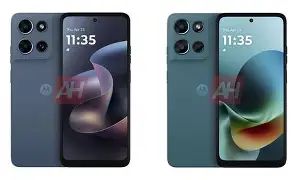
Durability expectations for this class are pragmatic. The Moto G Play 2026 is expected to resist minor bumps and routine drops with typical plastic-and-frame construction, though buyers who need rugged certification or water resistance ratings beyond basic splash protection should consider higher-tier alternatives.
Display
The display on the Moto G Play 2026 targets everyday use—media consumption, messaging, web browsing, and social apps. It is reasonable to expect an LCD panel that balances cost and readability, delivering accurate colors and acceptable viewing angles for most indoor and casual outdoor scenarios. Peak brightness will affect outdoor visibility; in direct sunlight, midrange displays can struggle compared with flagship OLEDs, so buyers who frequently use their phone in bright outdoor conditions should weigh that trade-off.
For streaming short videos, reading articles, and scrolling social feeds, the display offers a reliable experience. If gaming visuals or the deepest contrast for HDR content are priorities, the Moto G Play’s screen will feel competent but not cutting-edge.
Performance and Everyday Use
Performance in the Moto G Play 2026 is tuned for everyday tasks. The phone is designed to handle messaging, email, navigation, web browsing, streaming, and light multitasking without notable lag. For buyers who focus on productivity apps and social media, the device provides a smooth, predictable experience.
When pushed into heavier workloads—high-refresh-rate gaming sessions, intensive video editing, or sustained benchmark-heavy tasks—the limitations of a midrange SoC and modest cooling capability become noticeable. Thermals and throttling can reduce sustained performance during long gaming sessions, so owners who prioritize mobile gaming may prefer a dedicated gaming phone or a higher-tier model with stronger GPU performance.
Battery Life
Battery life is one of the Moto G Play 2026’s strongest selling points. Phones in this lineup historically emphasize long runtimes, and the 2026 iteration continues that trend. For typical users—moderate social media use, messaging, some navigation, and streaming—owners can expect a day and a half to two days of usage on a single charge under conservative use patterns. Heavy use (gaming, continuous video streaming, camera-heavy days) will shorten that span but still typically returns to the next-day mark by evening.
Charging speeds will reflect cost trade-offs. The phone supports practical charging methods that get the device to usable percentages quickly for day-to-day recovery, but it won’t match flagship rapid-charging numbers. Buyers who prioritize battery longevity over quick top-ups will appreciate the phone’s emphasis on capacity and efficiency.
Cameras
The Moto G Play 2026’s camera system is built around practical point-and-shoot photography. In well-lit conditions, images are suitable for social sharing and casual prints: good color fidelity, acceptable dynamic range, and competent autofocus. The primary camera performs reliably for snapshots, portraits, and group photos in daylight.
Shop the latest Mobile Phones picks on Amazon.
Shop Amazon →Where the camera shows its limitations is in low-light situations and when pushing for detail using digital zoom. Nighttime shots tend to show noise and reduced detail, and specialized photography modes—such as advanced night processing or multi-frame stacking—are generally less refined than on higher-end devices. Video capture will be fine for quick clips and social posts, but users chasing cinematic stabilization and high bitrate recording should look elsewhere.
Software and Updates
Motorola’s software approach often favors near-stock Android with helpful usability tweaks—gesture navigation, moto actions, and a minimal layer of additional features. This keeps the interface clean and responsive, which benefits users who value straightforward, uncluttered software experiences.
Update policy matters: buyers typically care about how long a phone will receive security patches and major Android updates. In the budget segment, manufacturers may offer a shorter window of major OS updates but maintain security patch support for several years. Prospective owners should verify the official update commitments for the Moto G Play 2026 in their region and choose configurations known to receive timely patches.
Connectivity and Extras
The Moto G Play 2026 includes the expected connectivity essentials—Wi‑Fi, Bluetooth, and reliable cellular radios. Depending on regional variants, buyers may find models with expandable storage via microSD, dual SIM slots, and a 3.5mm headphone jack—features that remain highly valued by many consumers even as some competitors remove them.
Biometric options such as side-mounted or rear fingerprint sensors along with face unlock provide convenient security and quick access. NFC availability can vary by market; those who rely on contactless payments should confirm NFC support for their region.
Real-World Use Cases
Understanding typical buyer priorities helps place the Moto G Play 2026 in context:
- Casual users and first-time smartphone buyers: The phone offers a straightforward, durable option with long battery life and simple software—ideal for those who need a basic but dependable smartphone.
- Parents and secondary-device owners: As a day-to-day or backup phone, the Moto G Play’s balance of battery life and adequate performance makes it a solid choice for calls, messaging, and light media consumption.
- Commuters and travelers: Long battery life and practical connectivity mean the device handles maps, music, and transit apps without frequent charging.
- Budget-conscious shoppers who still want decent cameras: For social photos and everyday snapshots, the Moto G Play is capable—buyers should temper expectations for low-light photography and advanced imaging features.
Pros & Cons
- Pros:
- Long battery life that supports a full day (often more) of mixed use
- Clean, near-stock Android experience with useful Motorola gestures
- Comfortable, ergonomic design that’s easy to hold for long sessions
- Good value for buyers seeking reliable everyday performance
- Practical features (expandable storage, headphone jack in many regions)
- Cons:
- Camera performance is adequate but not class-leading, especially in low light
- Display contrast and peak brightness can lag behind OLED-equipped competitors
- Not aimed at heavy gaming or sustained high-performance workloads
- Software update guarantees may be shorter than on premium devices
- Materials and finish are functional rather than premium
Quick Comparison
The following table compares the Moto G Play 2026 qualitatively against two common alternatives in the segment. These are representative comparisons to help readers evaluate trade-offs rather than a hyper-specific spec-by-spec breakdown.
| Category | Motorola Moto G Play 2026 | Motorola Moto G Power 2025 (Representative) | Samsung Galaxy A14 (Representative) |
|---|---|---|---|
| Battery | Strong—designed for extended day-plus usage | Very strong—often the best-in-class for endurance | Good—balanced for moderate use |
| Display | Practical LCD; solid for media, not flagship-grade | Similar—focused on value rather than peak contrast | Comparable; some models offer brighter panels |
| Camera | Good daytime results; limited low-light performance | Similar strengths and trade-offs in budget imaging | Often competitive with better processing in some scenarios |
| Performance | Adequate for everyday tasks; light gaming | Comparable—optimized for power efficiency | Varies; some configs offer more performance headroom |
| Software | Near-stock Android with minimal bloat | Close to stock with long battery-focused features | Heavier skin with more features and Samsung’s update policies |
| Value | High for battery-focused buyers | High, especially for endurance seekers | Good for buyers wanting a brand with broad service/support |
Buying Guide: How to Decide If the Moto G Play 2026 Is Right
Choosing a smartphone is about prioritizing what matters most. The Moto G Play 2026 makes clear trade-offs that align with certain shopper profiles. Use the following checklist to decide.
1. Battery and Uptime Requirements
If a long-running battery is the primary concern—commuters, field workers, or buyers who dislike daily charging—the Moto G Play 2026 is a strong candidate. Look at real-world battery tests and user reports for the configuration sold in the target market.
Find top-rated Mobile Phones products at great prices.
Browse Now →2. Camera Expectations
For social photos, daytime snaps, and quick video clips, the camera system will be satisfactory. Buyers who want advanced photographic features, professional-level low-light performance, or extensive computational photography should consider higher-tier alternatives.
3. Performance and Gaming
Owners who use messaging apps, email, navigation, and media streaming will find performance acceptable. For intensive mobile gaming or pro-level multitasking (large document editing, heavy virtualization apps), inspect benchmark comparisons and consider devices built around more powerful chipsets.
4. Software Longevity
Confirm Motorola’s update policy for the Moto G Play 2026 in the buyer’s region. For those who prioritize long software support windows, the brand’s flagship lines or other manufacturers with extended update promises might be a better fit.
5. Extras: Expandable Storage & Headphone Jack
Expandable storage and a headphone jack remain practical advantages for many users. If these features are important—offline music, large media libraries, or using wired accessories—ensure the chosen model offers them.
6. Price and Value
Compare local street prices and promotional offers. The Moto G Play 2026 is positioned to deliver consistent, dependable performance for a modest price, but seasonal discounts or carrier bundles can affect value. Base the decision on the combination of price, warranty, and the seller’s return policy.
Common Buyer Questions (and Straightforward Answers)
- Is the Moto G Play 2026 good for photography? It is good for everyday photography in daylight. Low-light photography and advanced zoom are less compelling than higher-tier phones.
- How long will the battery last in daily use? Typical users should expect all-day use and often beyond; heavy users will still usually make it through a busy day with moderate battery management.
- Will it run popular apps smoothly? Yes—social apps, streaming services, navigation, and standard productivity apps run well. Intensive gaming will show the device’s class limits.
- Should someone who values software updates avoid this phone? Not necessarily; the Moto G Play 2026 offers a clean Android experience, but buyers should check the official update promise for their market and weigh it against their expectations.
Conclusion
The Motorola Moto G Play 2026 is a pragmatic smartphone that answers a clear set of buyer needs: long battery life, reliable everyday performance, and an uncluttered software experience at a reasonable price. It is not designed to be a photography champion, a gaming powerhouse, or a material-status symbol, and it does not pretend to be. For the majority of consumers who prioritize endurance, comfort, and straightforward usability, the Moto G Play 2026 represents a sensible, well-balanced option.
Buyers should match the device to their personal use case—commuters, parents, first-time smartphone owners, and anyone needing a dependable secondary phone will find value here. Those whose priorities are top-tier cameras, the brightest displays, or long-term flagship-level performance should consider alternatives. In short, the Moto G Play 2026 keeps the basics right and makes smart compromises for buyers who want dependable, day-to-day performance without an inflated price tag.